

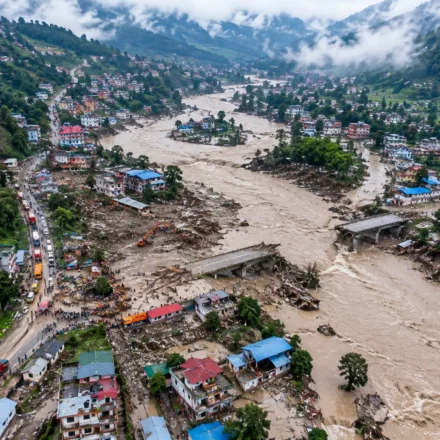

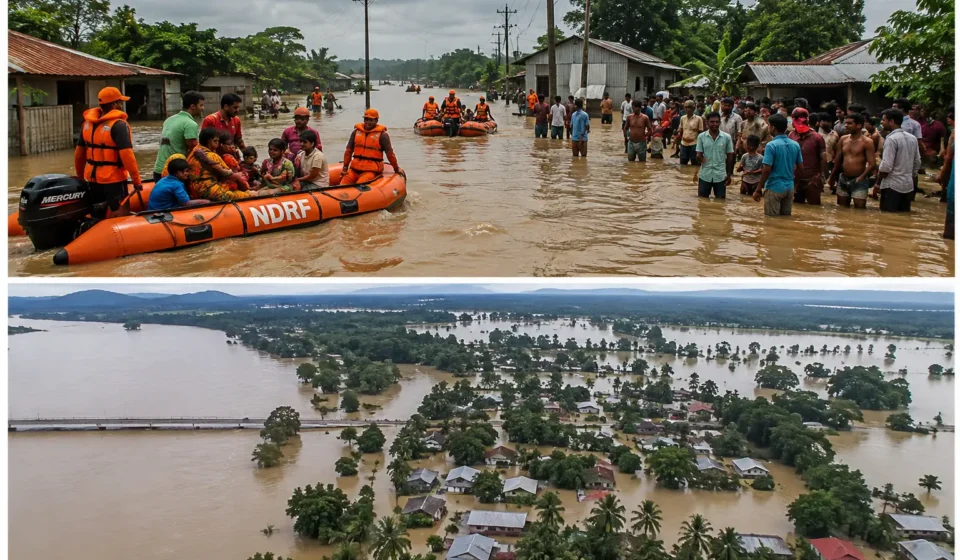

Assam Floods 2026 have caused severe damage across Upper Assam. Read the latest updates on affected districts, rescue operations, relief efforts, causes, and the road to recovery.
The Assam Floods 2026 have become one of the most devastating natural disasters in recent years, especially in Upper Assam. Continuous heavy rainfall, overflowing rivers, and flash floods have left thousands of people struggling to rebuild their lives. Several districts have witnessed widespread flooding, causing massive damage to homes, roads, bridges, schools, agricultural land, and public infrastructure.
Every year, Assam experiences monsoon floods, but the 2026 floods have been particularly severe. The Brahmaputra River and its tributaries crossed danger levels in many locations, submerging villages and forcing thousands of families to leave their homes.
Districts Worst Affected by the Assam Floods 2026
The flood situation has been extremely serious in Upper Assam districts, including:
- Sivasagar
- Charaideo
- Jorhat
- Golaghat
- Dhemaji
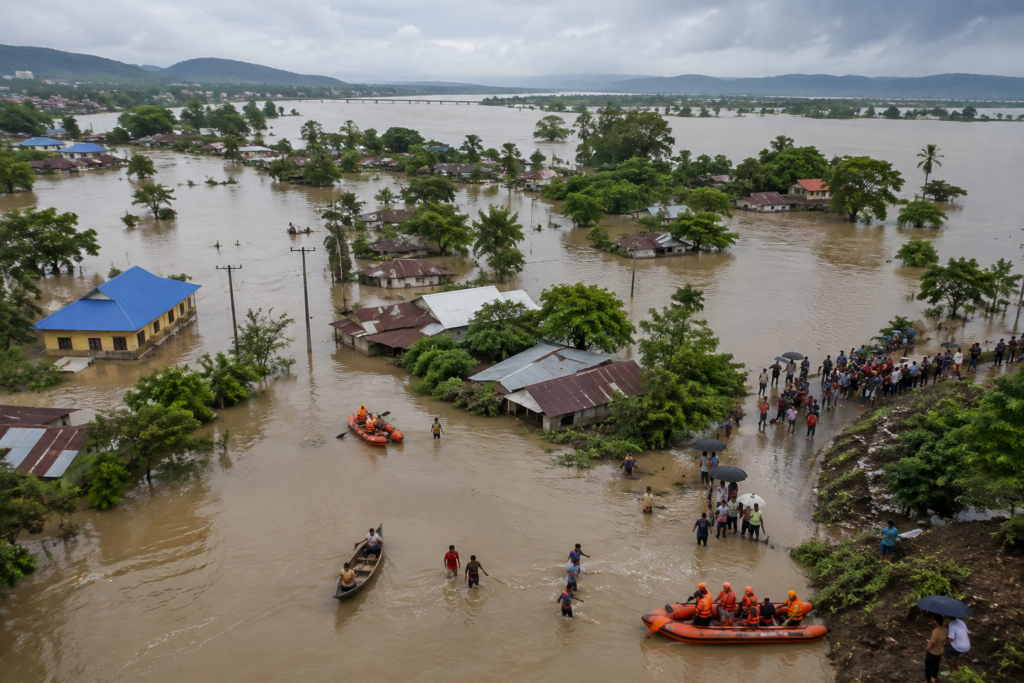
Many villages remained underwater for several days, making rescue operations difficult. Floodwaters damaged roads and bridges, disrupting transportation and affecting daily life.
Thousands of Families Displaced
Thousands of people have been forced to leave their homes due to rising floodwaters. Relief camps have been established by the Assam Government to provide temporary shelter, food, clean drinking water, and medical assistance.
Many families lost household belongings, livestock, and crops. Children, elderly people, and pregnant women remain among the most vulnerable groups during the disaster.
Rescue Operations Continue
The National Disaster Response Force (NDRF), State Disaster Response Force (SDRF), Indian Army, Assam Police, Fire & Emergency Services, and local volunteers have been working around the clock to rescue stranded residents.
Boats and rescue teams have evacuated people from flooded villages, while emergency medical teams continue providing healthcare services in relief camps.
The Assam Government has also announced financial assistance and rehabilitation support for affected families.
Massive Damage to Agriculture
Agriculture has suffered one of the biggest losses during the 2026 floods.
Thousands of hectares of paddy fields, vegetable farms, fisheries, and livestock farms have been submerged. Farmers have lost standing crops just before harvest in many areas.
Tea gardens across Upper Assam have also been affected, leading to production losses and temporary disruption of work for thousands of tea garden workers.
Experts believe the economic impact of these losses will continue for several months.
Why Does Assam Face Floods Every Year?
Flooding has become a recurring challenge in Assam due to several geographical and environmental reasons.
Heavy Monsoon Rainfall
During the southwest monsoon, Assam receives extremely heavy rainfall, increasing river water levels rapidly.
Brahmaputra River System
The Brahmaputra River carries enormous volumes of water from Arunachal Pradesh, Bhutan, and Tibet before flowing through Assam. Heavy rainfall in upstream regions significantly increases flood risk.
Riverbank Erosion
Continuous erosion weakens riverbanks, causing villages and farmland to disappear every year.
Climate Change
Changing weather patterns have increased the frequency of extreme rainfall events, making floods more severe.
Deforestation and Wetland Loss
Loss of forests and wetlands has reduced the land’s natural ability to absorb excess rainwater, contributing to flooding.
Impact on Daily Life
The floods have affected almost every aspect of life in Upper Assam.
Schools and colleges remained closed in several districts.
Road transport and railway services faced disruptions due to waterlogging and damaged infrastructure.
Electricity supply was interrupted in many areas, while clean drinking water became scarce.
Healthcare services also faced challenges because several health centres were partially flooded.
Government Relief Measures
The Assam Government has intensified relief and rehabilitation efforts by:
- Setting up relief camps.
- Providing free food and drinking water.
- Offering medical assistance.
- Conducting rescue operations.
- Restoring damaged roads and bridges.
- Distributing essential supplies.
- Providing financial assistance to affected families.
Officials continue monitoring river levels and weather forecasts to respond quickly to changing conditions.
Challenges Ahead
Although water levels have started to recede in some districts, recovery will take months.
Thousands of families need permanent housing, livelihood support, and financial assistance. Farmers require compensation for crop losses, while damaged schools, hospitals, roads, and bridges need reconstruction.
Experts also stress the importance of improving flood forecasting systems, strengthening embankments, restoring wetlands, and implementing sustainable river management to reduce future flood risks.
How Citizens Can Help
People across India can support flood-affected communities by:
- Donating to recognized relief organizations.
- Providing food, clothing, and medicines.
- Supporting rehabilitation efforts.
- Volunteering through local NGOs.
- Sharing only verified information to avoid misinformation during emergencies.
Conclusion
The Assam Floods 2026 have once again highlighted the vulnerability of Upper Assam to severe flooding. While rescue teams and government agencies continue relief operations, long-term solutions are essential to reduce future disasters.
Improved flood management, stronger infrastructure, better early warning systems, environmental conservation, and community preparedness will play a crucial role in protecting lives and livelihoods across Assam.
As the people of Upper Assam work towards recovery, resilience and collective support remain the key to rebuilding stronger communities after one of the worst flood disasters in recent years.